Glacier Treks And Adventure
Glacier Treks
& Adventure™

Loading Navigation items...

  • Sandakphu
  • SANDAKPHU

Sandakphu Trek

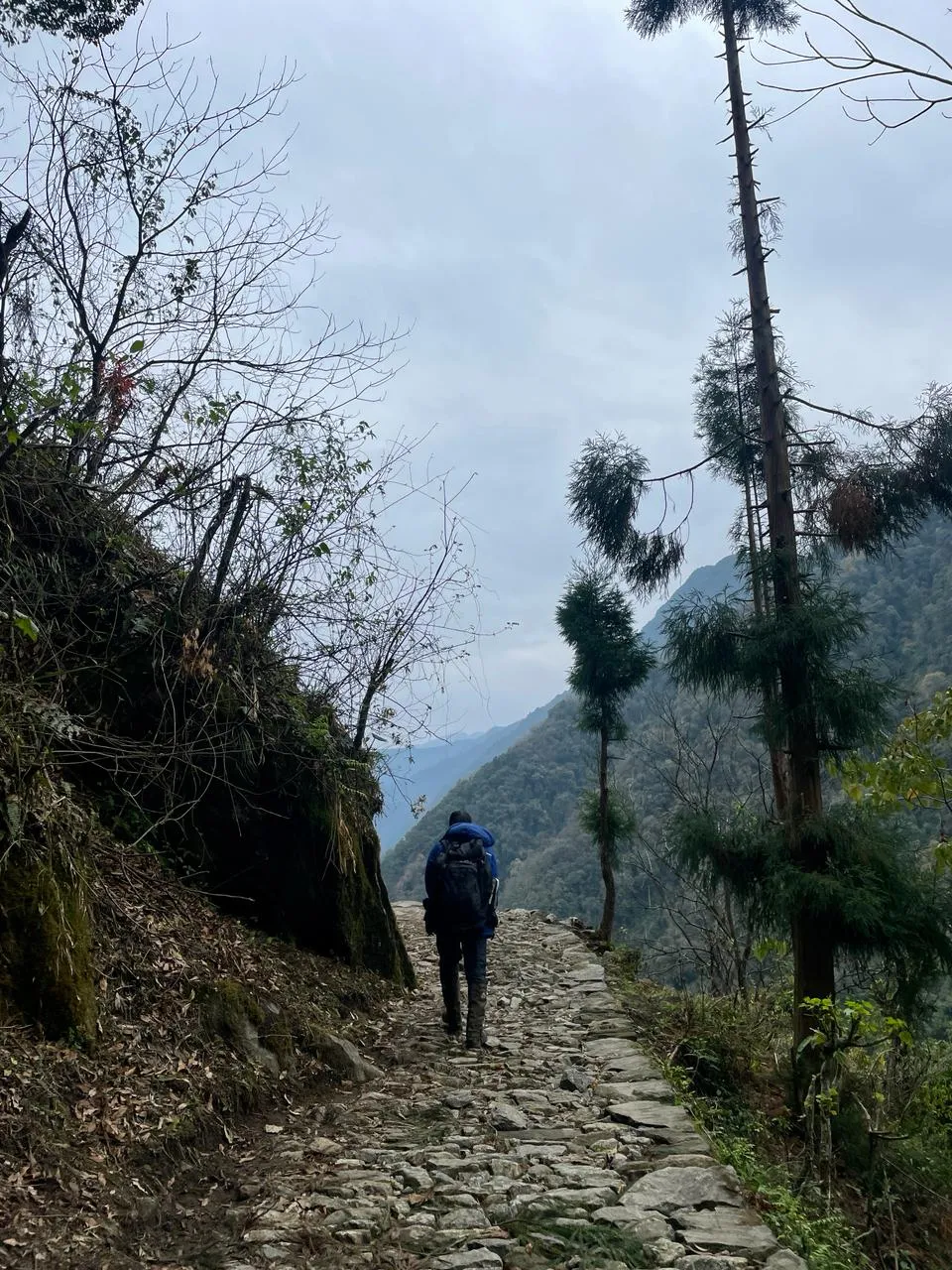
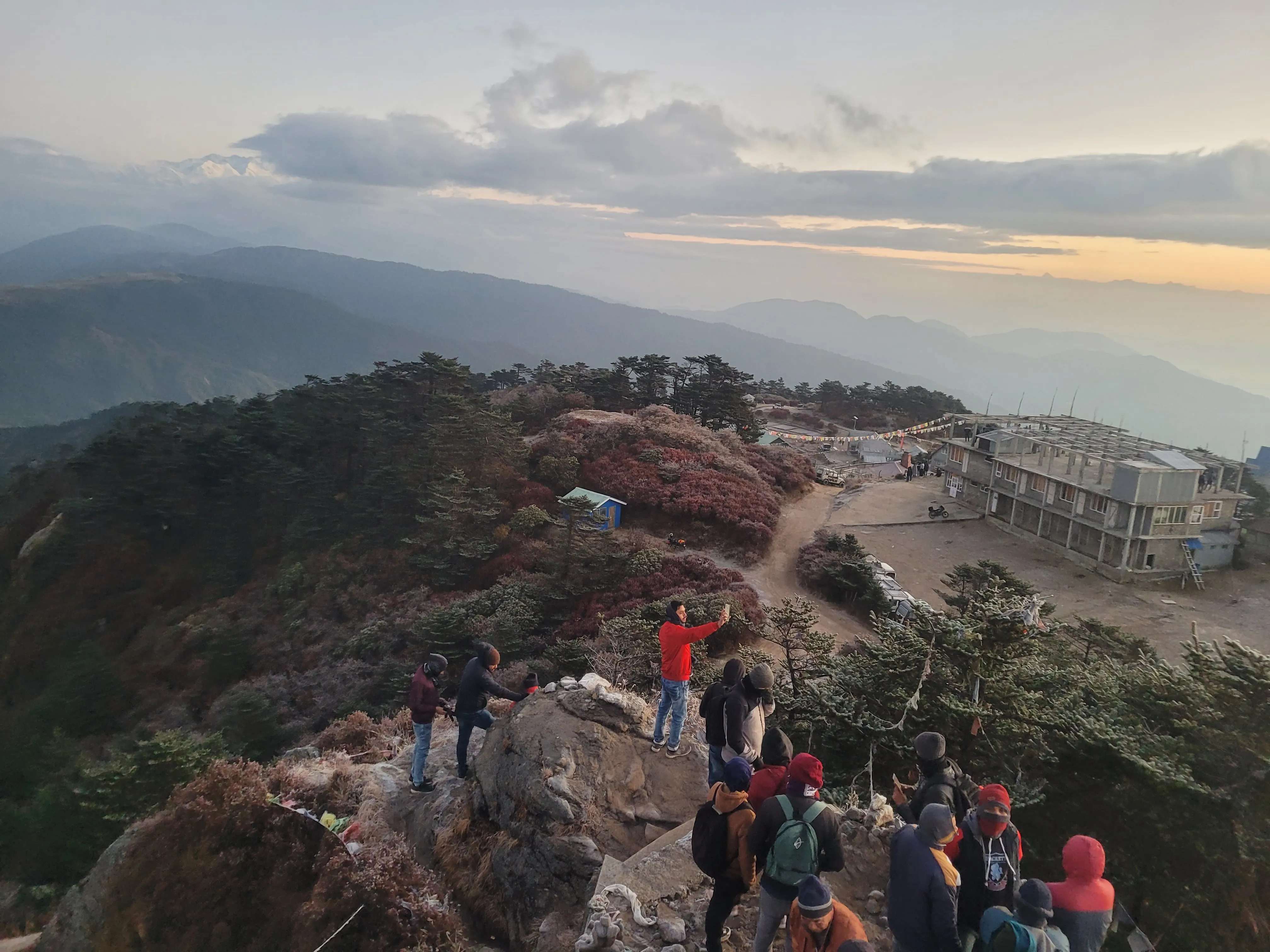
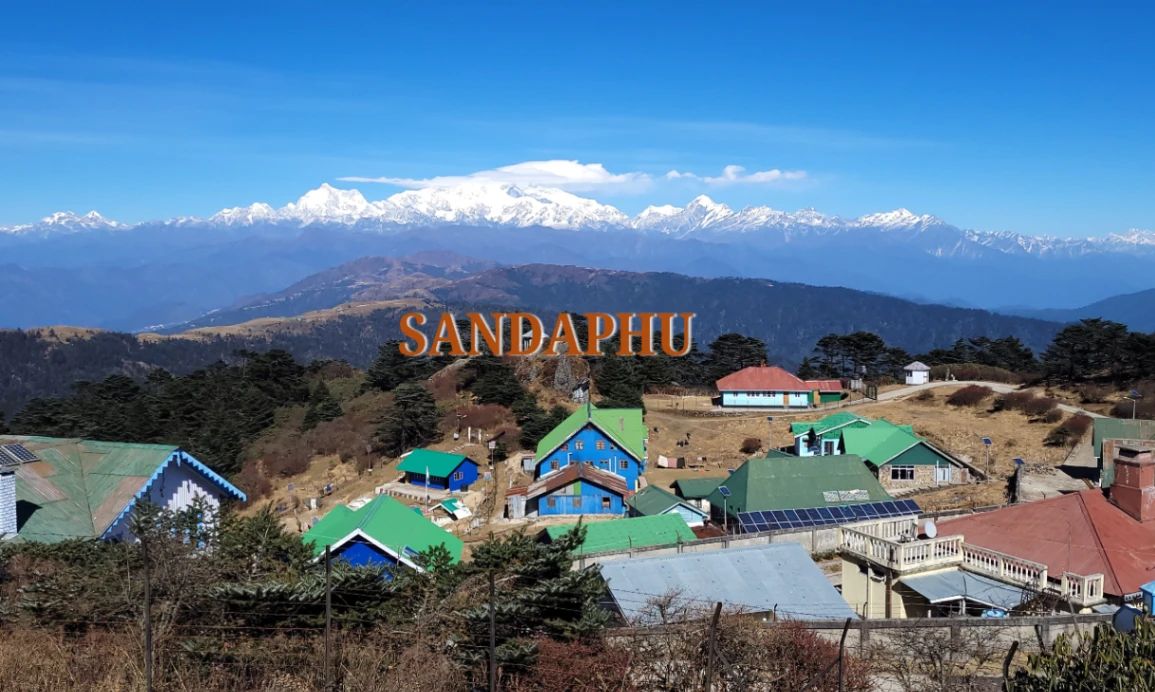
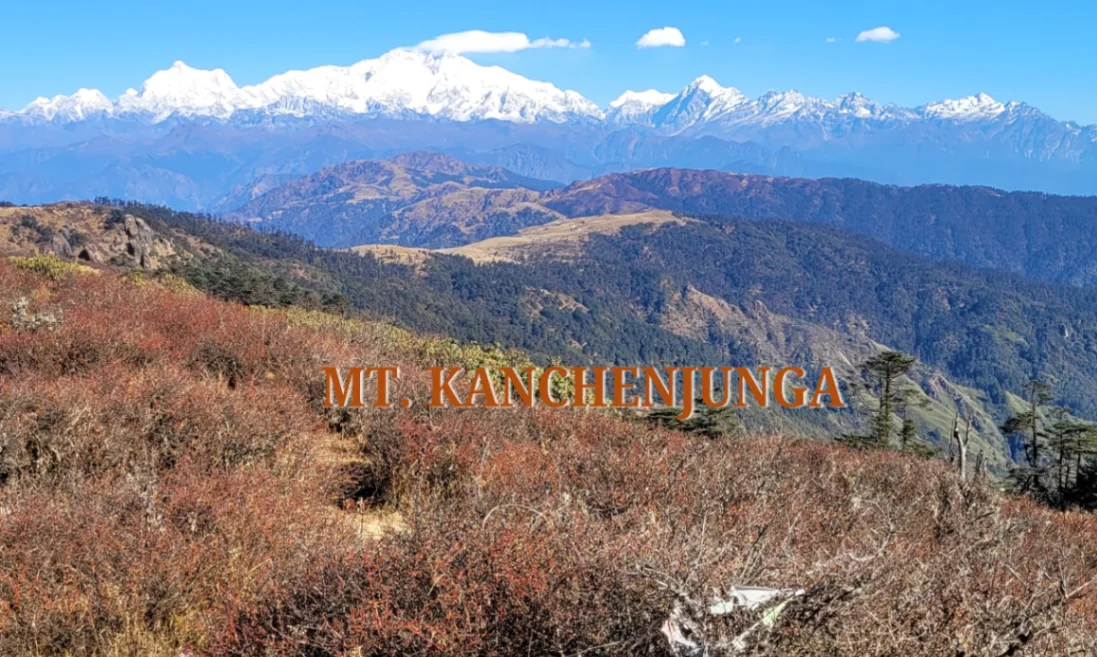
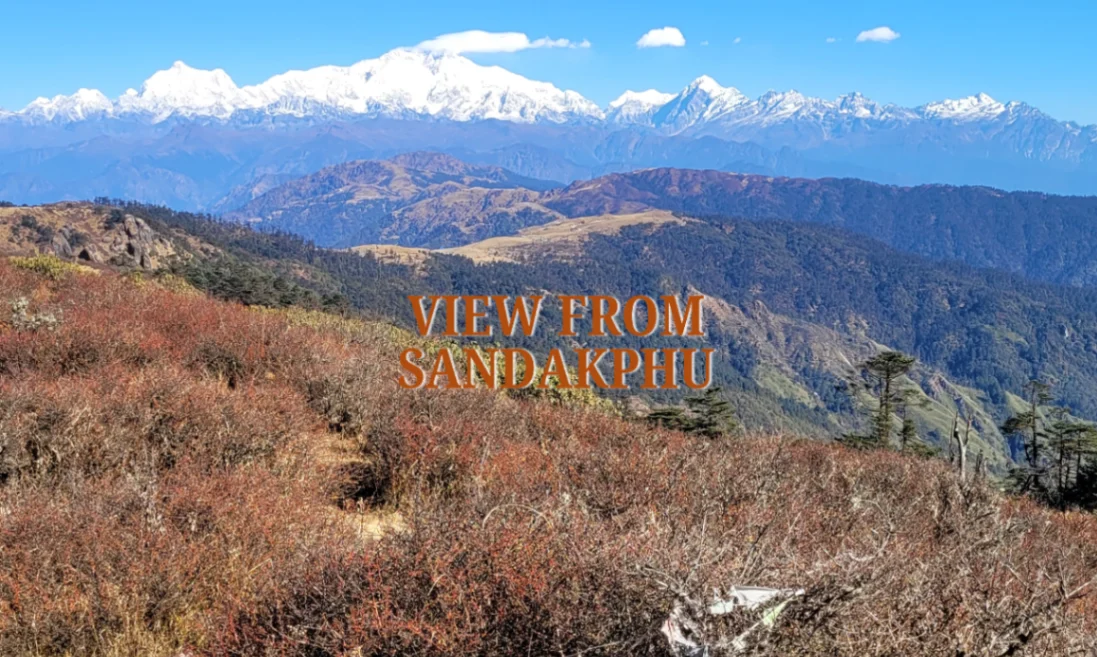
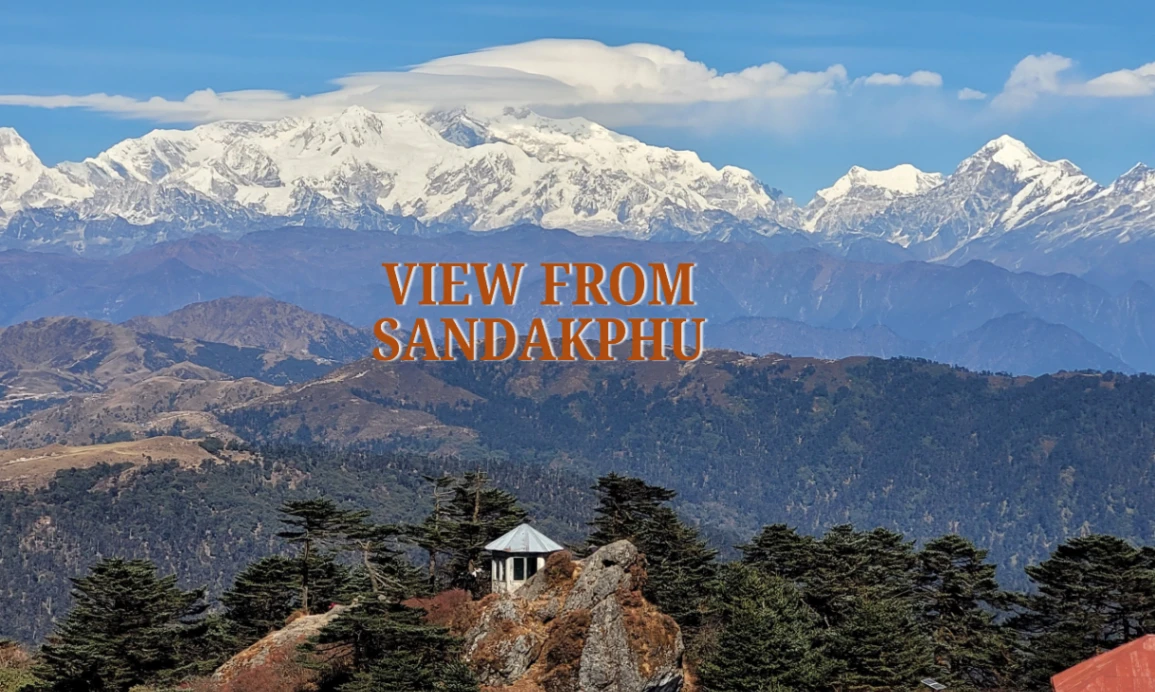
Sandakphu trek is one of the incredible trek which can offer the 360 degree view of mountains.

Details :

  • Region : West Bengal
  • Best Time : September to till May
  • Trek Duration : 5Night 6 Days
  • Highest Altitude : 3636 Meters
  • Suitable For : All
  • Trek Distance : 60
  • Price For Indian : ₹9000
  • Price For Foreigners : $300
Loading...

Loading...

Additional :

No Additional Avilable

Total:9000

Overview :

Loading...

Loading Overview...

Trip Itinerary :

Loading...

Loading Trip Itinerary...

Inclusion and Exclusion

What inclusion on the price?

All Meals during the trek: breakfast, lunch, and Dinner

Accommodation during the on-trek tea house wooden cottage.

Professional Guide

National park Entry fees

First Aid Kit

Drinking water (provide boiled water)

Any some equipent like sleeping bags, mattress, tent if needed.


Exclusion

Transportation Pick up and drop

Any personal porter charges, or Bag offloading charges.

Insurance

Any personal expanse, like some supplements (snacks, nuts, chocolate, any kind of energy bar, etc.)

Any extra meal not mention in itinerary

How to Reach Sandakphu?

By Air.

Sandakphu is nearest airport to the Bagdogra Airport, IXB, which is approximately 110 km around the starting point of the trek, Maneybhanjyang. Bagdogra has good accessibility to other key urban centres in India including Kolkata, Delhi, Bangalore, and Guwahati, and has frequent domestic flights. Travelers will be able to hire a personal taxi or a shared jeep to get to Maneybhanjyang which is traditionally a 4 -5 hour drive along winding Himalayan roads.


Landslides can also temporarily block off access to some sections during the monsoon season (June to September) and thus it is advisable to verify the conditions of the roads in the local area before travelling. It is advisable to use early morning flights to prevent the inconvenience of delays and so spending enough daylight on the drive. Pre-booked personal cars or those provided by hotels are the best option to the prospective client who prefers a more comfortable booking of the service that is both safe and convenient.


By Train.

(NJP) New Jalpaiguri railway station is the closest station to Maneybhanjyang; the distance is approximately 100 km. NJP is a key rail station that links the northeast and eastern India, and has direct trains with Kolkata, Delhi, and Guwahati. Travelers are able to get to Maneybhanjyang by hiring shared jeeps or private taxis or buses arranged by NJP and which take about 4-5 hours.


Shared jeeps are cheaper but could have fewer departure times. To be more comfortable, passengers may pre-book a taxi. The roads can be slippery and fog can increase the time of traveling a bit during winter months, so it is recommended to leave early.


By Road / Local Transport

Siliguri and Bagdogra are the major hubs to the traveling population who use the road transport. The most comfortable and the fastest mode is the use of the private taxis, which take 4-5 hours to reach Maneybhanjyang. Prices vary between 3,500 and 5,000 one way depending on the type of vehicle.


There is also a good local option that is shared jeeps which are approximately ₹500 700 each and leave once full. They offer a real local experience although it might require waiting. There are some state buses which run between Siliguri and other towns, however, they are not regularly scheduled and also the travel is longer because of the stops.


The roads are also seasonal and during the monsoon seasons, the roads get dirty and slippery, and during winter, visibility is hampered by fog. Tourists have been requested to get an early start, bring their necessities such as water, snacks, and warm clothes, and to always ask the locals about current road conditions. The trip in itself is picturesque with tea gardens, rivers and the Himalayan foothills, which makes the travelling experience unforgettable.

Local Regulations and Permits, Safety

Permit and regulation for sightseeing or hiking, trekking in Singalila National Park.

Sandakphu is a reserve in Singalila National Park, West Bengal. Official trekking permits are also conservation use and should be purchased by all trekkers. The permits are sold in Maneybhanjyang at the office of the West Bengal Forest Department or may be booked in advance through the Internet portal: Singalila National Park Permits.


In the case of foreigners, the permit has to be received in advance and a valid passport and visa is necessary. Domestic trekkers will be asked to give demonstration of local address and photo identification. There is a permit fee of ₹300 500 per head and a charge is levied on photography or group trekking. Checkpoint rangers are allowed to ask to inspect permits elsewhere on the trail. Bring a hard copy or eletronic copy to look at.


The Permits also guarantee that your hike is well within the law and also the protection of the forest regulations which will guarantee the government to check the number of people visiting the forest also to reduce the impact on the environment and also to offer emergency services to the people visiting.


Some Areas and Local Rules.

There are some limited areas on Singalila Ridge owing to either conservation or security issues on the frontier, especially on the India-Nepal frontier. It has also been recommended that Trekkers must never go off the roads and should never venture to restricted areas. Community-specific rules on firewood picking, littering and camping in un-officially designated areas can be imposed by local communities.


Some of the rules are consideration of noise, and prohibited of pluging flower, pick of tree plant, very strict rule through the garbage inside national park, consideration of property and no disturbing wildlife. Certain trails are not open during seasonal restrictions and during winter monsoon landslides or snow. These local regulations have been observed to conserve the environment besides safeguarding the life of the hikers travellers.


For daily use medicine and emergency precaution, First Aid and Leave No Trace Principles, Emergency Contacts.

The first thing that comes to the mind when hiking in the Himalayas is safety. Carry a first aid kit, bandages, antiseptic, pain killers, antiseptic, altitude sickness pills and personal prescriptions. The Tumling, Kalipokhari and Sandakphu local forest offices and lodges will also help in case of an emergency. Contact numbers:

  • Forest office Maneybhanjyang: +91-3535-252301.
  • Contact: Singalila national park rangers: +91-9434051234.
  • Close Hospitals (Siliguri): search in google like north bengal hospital, Neotia and other


Live Leave No Trace ethics: leave no trace, use only single-use or reusable plastic, be considerate of wildlife, and camp where it is legal. Green trekking will be oriented towards the conservation of the fragile eco-systems of the Alps in the best interest of the hikers of tomorrow.

Packing List & Trekking Gear

Clothes, shoes, trekking poles, and sleeping gear.

Dressing for Sandakphu trekking has a layered dress as the temperatures do change. Essentials include:

  • Tops: thermal layer and moisture-wicking t-shirt.
  • Mid-layers: warm-up: fleece jackets or insulated jackets or down feather jackets; highly recommended is down feather.
  • Outer: waterproof and windproof jackets and trousers.
  • • Shoes: good trekking shoes with a good grip that are waterproof.
  • Others: woollen hats, neck gaiters, and gloves.
  • Sunglasses: UV sun protection.
  • First Aid Kit: Daily use of medicine and some precautions in the first aid kit for those suffering from AMS and normal headaches, rainwear, and a headlamp.


The simplest safety gear should consist of an elaborate first aid kit comprising medicine against altitude sickness, antiseptics, bandages, pain relievers and personal medication. A headlamp should have an additional battery in case of travelling early in the morning or late at night.


The advantage of trekking poles is that they offer a balance to walk along the uneven paths, reduce the weight taken by the knees on steep ascents or descents, and improve the trekking efficiency. The sub-zero sleeping bags are recommended to be used, especially during winter at a camp or a higher level.


Mobile phones, power banks, and camera electronics.

Photographers and hikers have to carry a DSLR or mirrorless camera, extra memory cards, a phone with GPS and power banks to stay connected. The trail has a limited number of charging points, and so portable solar chargers or other power banks are advisable. Cloverly covered devices with waterproof covers to ensure that they are not exposed to the rain or dust. You should be a responsible photographer: one should not disturb animals and should maintain distance from the animal.


Some basic essentials.

The Himalayas are subjected to weather changes, and a lightweight raincoat (poncho or waterproof jacket) is needed between the months of the monsoon. In winter trekking, insulated gloves, a balaclava, and thermal socks help to avoid frostbite. It is possible to have a backup of a whistle, a compass, and a trekking map.


A bit simpler preparation can be conducted with the help of the downloadable checklist: [Sample Trekking Gear Checklist PDF] (insert link). One should be safe, comfortable, and prepared when packing under the conditions that a person is not aware of.


The Highlights of Fauna, Flora and Culture.

Endemic Species, Rhododendron Forests, Local Wildlife.

Biodiversity is present in the Singalila Ridge. Trekkers can see red pandas, Himalayan black bears, leopards (rare) and other monkeys in thick rhododendron and oak forests. Birdwatchers also love the Himalayan monal, blood pheasants and sunbirds, especially during spring and early summer.


In March-April the rhododendron flowers are in bloom and colour the woods with red and pink. The forest floor has endemic medicinal herbs, plants and ferns. A safe distance between you and wildlife is essential in order to be personal and protective of the wildlife. Wildlife photography must be viewed using field glasses or a telescope, and it must not be fed or approached.


Lifestyles, folks, and customs.

The hiking at Sandakphu also passes by the villages of Lepcha and Bhutia, which have not altered their practices and traditions. The tourists have a chance to experience homestay hospitality and Nepali traditional food and crafts or handicrafts such as weaving or handicrafts.


Some of the seasons like Dashain and Tihar are surrounded by colourful celebrations, dances and feasts of the community. The tourists should pay attention to local customs: they should not photograph without asking the local permission, dress in a proper manner, and should not watch religious or cultural life. These experiences are value-added to the trekking experience, and they provide you with a clue of what the life of the Himalayas is.


Seasons Observation: Birds, Flowers, Weather.

Seasons are not similar and offer different experiences. It has rhododendron and migrating birds in spring (March 04) and mountain views in the fall (October 11-November). The winter season will be a snowy sight, though winter gear and good walking will be required.


Pheasants, sunbirds and Himalayan vultures can be observed in the mornings by the birdwatchers. Magnolias, alpines, and primulas are some of the flowers that can be found in the ridge trails. It can alter quite fast because of fog, rain or uncontrollable snow; hence, there is a need to keep track of local forecasting. The most advantageous time to maximise the time spent on wildlife viewing and landscape photography is at the morning rises.


Approaching the natural environment will make the least difference: it will not include picking the vegetation, littering, or environmentally unfriendly hiking. Such little steps help to preserve the ecology and cultural heritage of Sandakphu among the further generations.

When and which is the Best month of Trek / Seasonal Guide?

Comparisons of Winter, Monsoon, Spring.

The spring (March May) and the fall (October November December) are the best seasons to trek Sandakphu. The spring is also the time of blooming of rhododendrons and other mountain flower like primula etc and normal temperatures and the autumn is marked with clear blue skies and mountains in the background. The monsoon (June-September) makes the trails muddy with the threat of landslides as the visibility is also low so trekking is not an option. Winter (December-February) is an all-white sight, no one is there, yet negative temperatures and frozen walking require special equipment and care. The choice of season is used to ensure the safety and scenic beauty with favorable hiking experience.


Snow-covered vs Clear Trails

Alpine vistas are also spectacular with snow-covered trails, well-set in regular intervals of December-February, easy and dangerous, thus requiring crampons or trekking poles. The fall and spring have good trails that have good footing, open ridges, and accommodation availability. Mornings may be frosty and afternoons may be light windy/misty. Walking in snow takes greater preparation, slower and less concerned with weather forecasting. The easiest ones are the obvious tracks to follow when one is an amateur and desires to have an opportunity to do some photography without resorting to extreme measures.


Impacts on Photography/Plant/Animal life.

Season has an impact on aesthetic value and wildlife viewing. The Spring season also provides the photographer with a chance to capture beautiful rhododendron, primulas and migrating birds. The autumn is bright and boasts of huge Himalayan vistas and spectacular sunrises. Snow tracks in winter and mostly chance to see mountain range also and have their own compositions but may reduce the visibility of animals. Monsoon also relates with vegetation, but mountains can be covered by clouds and precipitation. The trekkers are advised to plan the photos during the early morning or late evening when the light is most useful and to put a waterproof cover to their cameras during the shower and to ensure they remain somewhat faraway of the wildlife.

Recommendations to Solo, Group and Family Trekkers

Pacing, Safety, Preferences of Accommodation.

When hiking, individuals have to hire the services of a local guide who will offer protection, directions and emergency help. Maintain steady speed, do not overwork and carry along essential tools. The advantage of the group trekkers is that it provides shared facilities like food, tents, and transport, but should include effective communication and a leader. Choose accommodation based on preference: individual travelers will be able to choose the small lodges to have personal privacy and the bigger lodges or camps to be enjoyed by a group. The early departures minimize the danger and enhance scenery. Always remember to check weather forecast and leave your itinerary with the local authorities.


Extra Refinements of Families / Amateurs.

Novices and families need to travel less distance per day and stay in lower altitude lodges to get used to the altitude. The older generation or children should be compelled to have periodic rest breaks and hydration breaks. Considering the use of porters to carry heavy backpacks. The family must eat some food that is easy to digest and evenings should be spent indoors as it is warm and relaxing. The morning surges have a potential of wildlife sightseeing and the afternoon could be used in photography and exploration of the local village. A good schedule and time management will always guarantee that one has an enjoyable and safe time with the kids as well as the elder.

Guide to Photography and Videography

Sunset/Sunrise view, Best Views.

Tumling and Kalipokhari, as well as Sandakphu ridge, are the best places to capture photographs. Sunset fronts are brightest at Singalila Ridge and Teesta valley. Wild life and birds: The best time to take wildlife and birds is in the early hours of the day when the animals are on the move. Afternoon may be quite flat, and, in that case, you may concentrate on the details of landscape or village. Clear days are best to shoot wide angle and ridges.


Drone and Camera equipments.

Bring along a wide angle lens and a telephoto lens of a DSLR or a mirrorless camera. An idea tripod will provide the stability needed to shoot a sunrise/sunset. Good quality images can also be taken using smartphones with good cameras. Drones are able to give an overview of the area, and inspect local laws and restricted areas, particularly along the border. Bring along additional SD cards and Lens Cleaning Water.


Landscape and wildlife photography advice.

Shooting wildlife keep a distance between you and the animals. No disturbance should be created by the use of a telephoto lens. Golden hours can be used to improve the land and the influence of the fog and clouds can be dramatic. Take shots in high altitude light with the camera settings, and also in RAW version so that they can do the post processing. Be aware of the local culture as well and ask permission before capturing pictures of the villagers.

Comparison to Nearby Treks.

Sandakphu vs Phalut, Goechala or Sikkim treks.

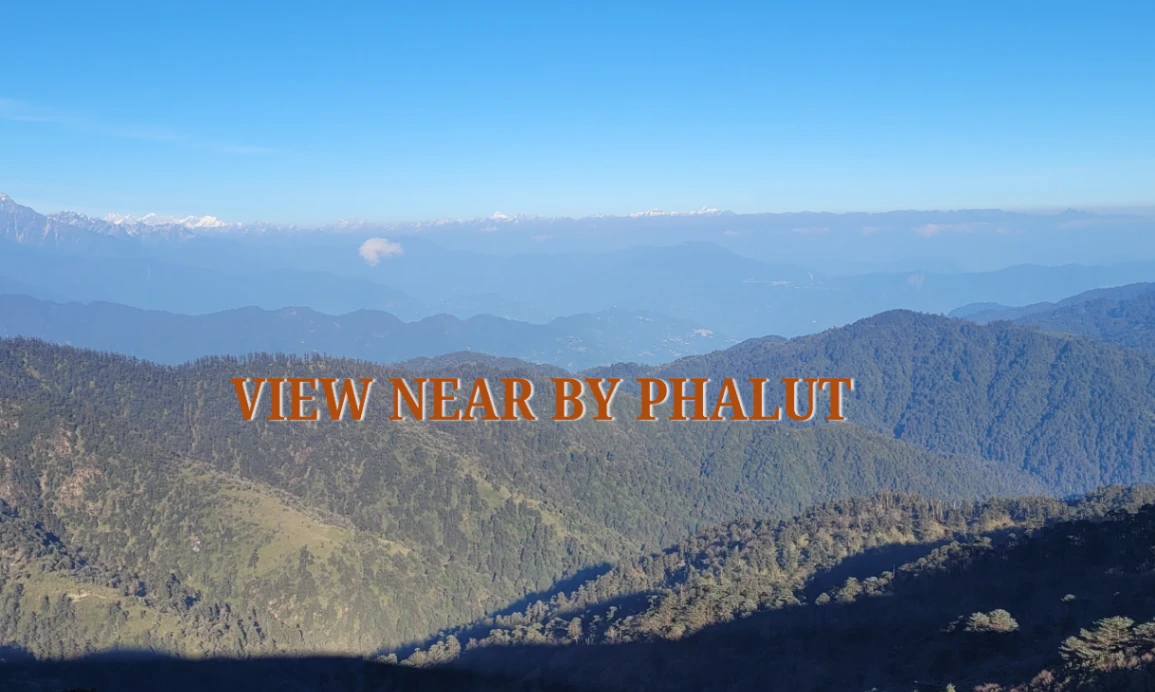
Four of the 5 tallest points in the world can be observed in Sandakphu which has the highest ridge point in West Bengal. Phalut is somewhat longer, and provides the same landscape, though with a diminished number of accommodation on the route. In Sikkim, Goechala has alpine lakes, heavy forests and more remote hiking that can be undertaken by expert hikers. The Himalayan first time trekkers will have Sandakphu more accessible to Siliguri and Bagdogra and, therefore, the best Himalayan destination. The logistics of Phalut and Goechala are quite remote, which requires additional funds and more time to acclimatize.


Difficulties, scenery, time, cost.

Sandakphu average 6 days, between 9000-15000 a head. Phalut and Goechala are steeper and longer bit also, 12000 to 20000. Landscape Scenic Sandakphu is view of ridges and rhododendron trees, Phalut, isolated village and Goechala, alpine lakes and Sikkimese highland. Works within 4-8 days speedily.


Help the User to make wise choices.

Trek comparisons assist individuals to choose in relation to the difficulty, terrain, price, and logistics. Experts or people who will spend just a few days will favor Sandakphu which is more comfortable and easy to visit, but a more enterprising tourist wishing to explore his more isolated routes can take Phalut or Goechala. Planning implies security, adventure and spectacular Himalayan experiences.

Food and Cuisine in the area.

Food sold en route to the trek.

In the Sandakphu path, trekkers will be able to have Nepali and Himalayan foods. Foods such as dal-bhat (lentils and rice), momos (steamed or fried dumplings), chowmein and thukpa (noodle soup) are common foods. Hot chai, butter tea and local snacks can be found in tea stalls along Tumling and Kalipokhari to provide a quick rejuvenation to trekkers along the way. Larger lodges have non-vegetarian dishes like chicken curry or Yak meat. Basic, nutritious meals provide energy to trekkers in the days spent on the trail and local herbs and seasonal vegetables help to make the Himalayas unique.


Homestay Specialties

By remaining in homestays, one can experience some local hospitality and home-cooked dishes. Families have traditional foods such as gundruk (fermented leafy greens), sel roti (rice flour doughnuts) and sukuti (dried meat). Foods are also served in the shared eating areas where trekkers are offered a chance to have real cultural experience. Homestay hosts usually adopt the requirements of the diet and serve fresh boiled water. Dining together is also a way to make the visitors know the local culture, festivals and how the village life is like, in addition to the scenery that make the whole trekking experience more rewarding.

Traveler Reviews / Testimonials.

The Little Things of Trekkers.

Numerous trekkers talk of the unbelievable sight of Kanchenjunga in the sunrise, the excitement of walking through suspension bridges, and relaxing mornings in Kalipokhari. Individual travelers emphasize the hospitality of local guides and homestay families, whereas the first-time hikers enjoy the moderate speed and picturesque variations of the trail. The combination of the natural beauty, cultural exchange, and difficult terrain usually make Sandakphu a life changing experience, prompting a revisit or an extended trek through the Himalayas.


Practical advice on the basis of real experience.

According to experienced trekkers, they recommend that one has to get up at a very early time so that we do not fall into the afternoon fog, use reusable water bottles and also have trekking poles that will help on steep slopes. The temperature changes and recommend putting on many layers of clothing, whereas snacks, such as nuts and chocolate, keep the energy up. It is possible to avoid the last-minute stress when it comes to booking accommodations in advance, particularly during high seasons. The beauty of the area will be maintained when the practices of Leave No Trace are observed. Knowledge of some basic Nepali phrases would help interact with the villagers. It is also advised by travelers to carry binoculars in order to spot wildlife and carry additional memory cards to take photos.

Trek Support Services and Rent Safety Gears.

Small poles, shoes, and jacket rental shops.

Trekking equipment will be available to trekkers by rental in Maneybhanjyang, Tumling or Siliguri. Trekking poles, waterproof jackets, boots and sleeping bags are also on rent. Depending on the product and quality, the price per day is between 100-500 dollars. The renting is most appropriate to those who do not want to transport heavy equipment to their house, as well as to those who want to explore the offered journey the first time. The stores typically provide tips of how to install and maintain devices to be comfortable and safe on the mountainous or icy routes.


Guide & Porter Services

Guides get employed at 1500-2000 a day and a porter or shared equipment could be added. The fatigue can be relieved by Porters making the trekkers enjoy the scenery without carrying heavy backpacks. Guides can also come in handy during navigation of a trail, preparation of permits and emergencies especially in cases of fog, weather change or adjacent borders. Using certified guides and porters will be a sure method of remaining within the law and being safe and enjoying the trekking trail.

Green Consciousness / Green Trekking.

Leave No Trace Practices

Sandakphu is supposed to be eco-tourism trekking and thus this has to be completed in a responsible manner so that the delicate ecosystem is not destroyed. The trekkers should collect all the waste, littering must be discouraged and biodegradable products are to be used. Campfire lighting should not be done unless in special places. Use the existing paths and do not go into the ground to prevent soil erosion, do not disturb animals and gather plants. Take care of local buildings and cultural locations, e.g. prayer flags and monasteries. Adhering to the philosophies of Leave No Trace, the isolated ridges, woods and wildlife would be preserved in the natural condition of beauty to be enjoyed by the new generation and this would help in preserving the land by the government of Singalila National Park.


Eco-Friendly Trekking Tips

Minimize pollution; use single plastics by carrying knives and forks and reusable or insulated bottles. Clean and wash using toiletries and detergents that are environmentally friendly and refill the water in the lodges instead of buying bottled water. Reduce the impact of the environment by reducing noise and travelling in groups. Buy local crafts, food and services empower the village economies and the communities. Instead of using motorized mode of transport on trails, use shared jeeps or walking trails. Responsible trekking is a policy that balances between adventure and conservation, and one that offers trekker a safe and sustainable experience in the Himalayas.

Optional Side Trips or Extensions

Nearby Attractions: Phalut, Tonglu, or Darjeeling

Trekkers can extend their journey to Phalut, the second-highest peak of West Bengal, offering panoramic Himalayan views and fewer crowds. Tonglu, a short trek from Maneybhanjyang, is ideal for beginners or those with limited time, featuring tea gardens and rhododendron forests. For a cultural extension, Darjeeling is accessible via a 3–4 hour drive, famous for tea estates, the Himalayan Railway, and scenic viewpoints like Tiger Hill. These side trips complement Sandakphu’s adventure with additional scenic, cultural, and leisurely experiences.


Cultural or Scenic Day Trips

Day trips from the trek include visiting local Lepcha and Bhutia villages to experience traditional homes, festivals, and handicrafts. Trek to Kalimpong or nearby monasteries to explore Himalayan Buddhist culture. Wildlife enthusiasts can visit nearby sanctuaries or forested areas for birdwatching and flora observation. Short ridge walks or sunrise hikes near Sandakphu provide breathtaking photography opportunities without committing to multi-day treks. These extensions add cultural depth and variety, making the Himalayan adventure more enriching for families, solo travelers, and photography enthusiasts alike.


Accommodation & Food Guide

Homestays, Trekking Lodges, Camps.

Sandakphu trekking trails comprised varieties of accommodation but basic trekking lodges and village homestays and tented camps near the popular viewpoints. Trekking In Maneybhanjyang, Tumling, Kalipokhari and Sandakphu, tourists will be provided with comfortable lodges, simple room, communal bath and shared dinning space.


Lodges will cost between 600ruption:1500 per night per head depending on season and facilities. Campsites on the ridge offer a more adventurous camping and the trekking operators are offering tents at 800 1200 per night. A home stay will provide an opportunity to interact with the people and Nepali and Lepcha culture. Reservation in advance and especially during high trekking seasons (OctoberNovember and MarchApril) is recommended since rooms are occupied within very short period of time.


Veg/Non-veg two options, Hygiene, Comfort.

Most of the lodges and homestays have basic Nepali and Indian food, which is additionally served as vegetarian and non-vegetarian. The typical food includes dal, rice, vegetables, noodles and in certain areas meat diet such as chicken, or yak meat which is a local specialty.


Neatness is different: good lodges are neat with clean rooms, functioning bathrooms and drinking water but low-end lodges may not be as clean. Hand sanitizers, wet wipes and personal toiletries are recommended. It is usual to be equipped with sleeping bags or blankets but it is always good to inquire prior to traveling especially in colder seasons when the weather may go below the freezing point in the elevated areas.


Water Refill and Amenities.

Lots of the lodges and the homestays supply clean drinking water, which is filtered or boiled, and in a typical establishment which has no nearby shops, it will cost 20-50 rupees per liter to refill the water. Trekkers also have the practice of carrying personal reusable water bottle and water purification tablets/filters in case of emergency.

Many lodges (particularly Tumling and Sandakphu) do have some charging and mobile connectivity and first aid kits, but smaller settlements can have fewer. Many lodges offer laundry services, hot showers and relaxed common rooms, which make such multi-day treks more comfortable.


To spend a comfortable night one should consider making reservations with the trekking operators or the Internet as it is during the season of high demand. This will make the experience comfortable by not carrying too many things but rather carrying warm clothes, walking shoes and other personal things. Pre-planning of the meal and accommodation eliminates the last minute rush when accommodation must be booked at the last minute and the trekkers have time to relax and enjoy the ambiance of the Himalayas without the tension of having to make last minute arrangements.

Loading...

Loading Trip Itinerary...

Frequently Asked Question :

Loading...

Loading Trip Itinerary...

Loading...

Loading...